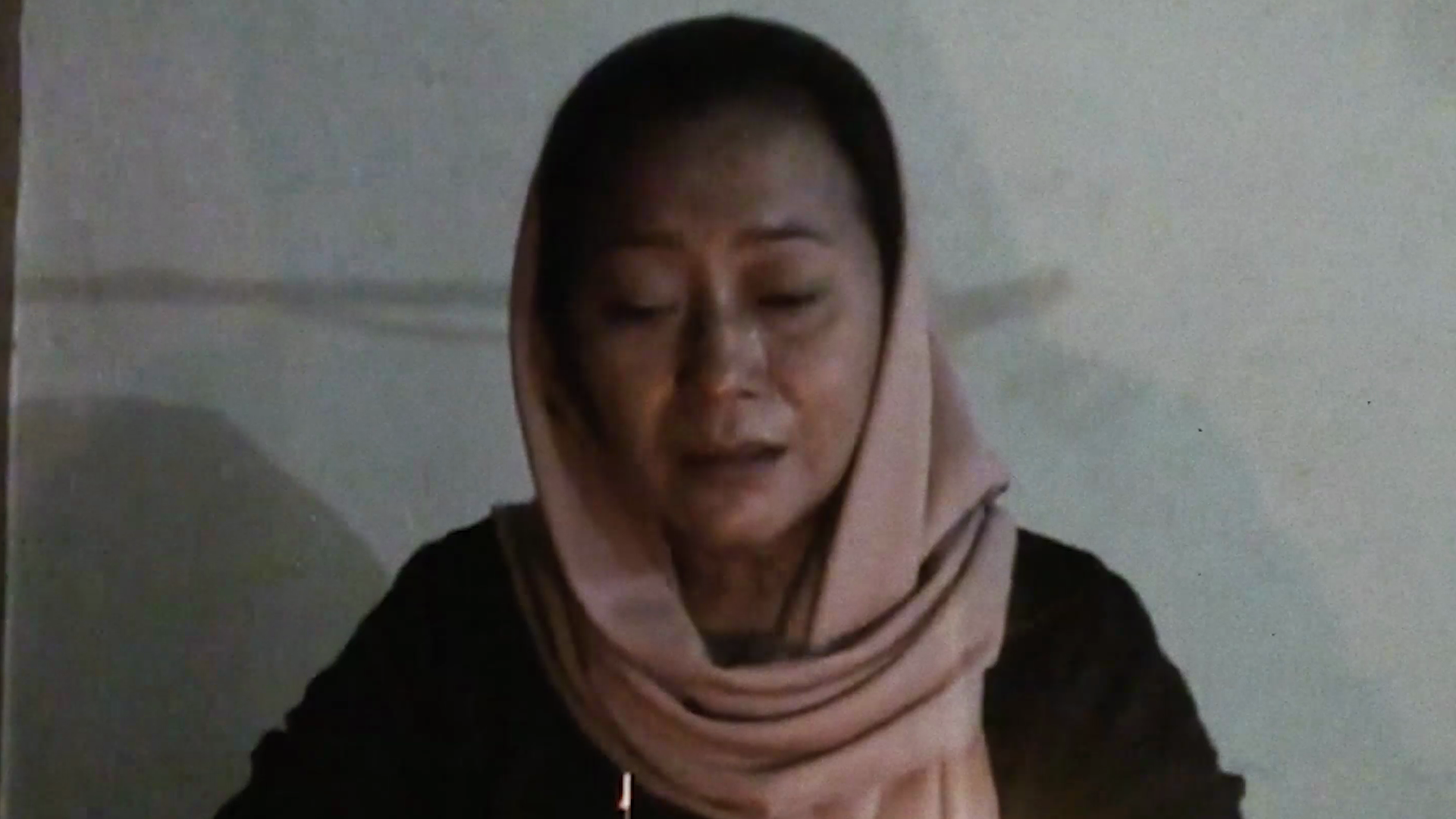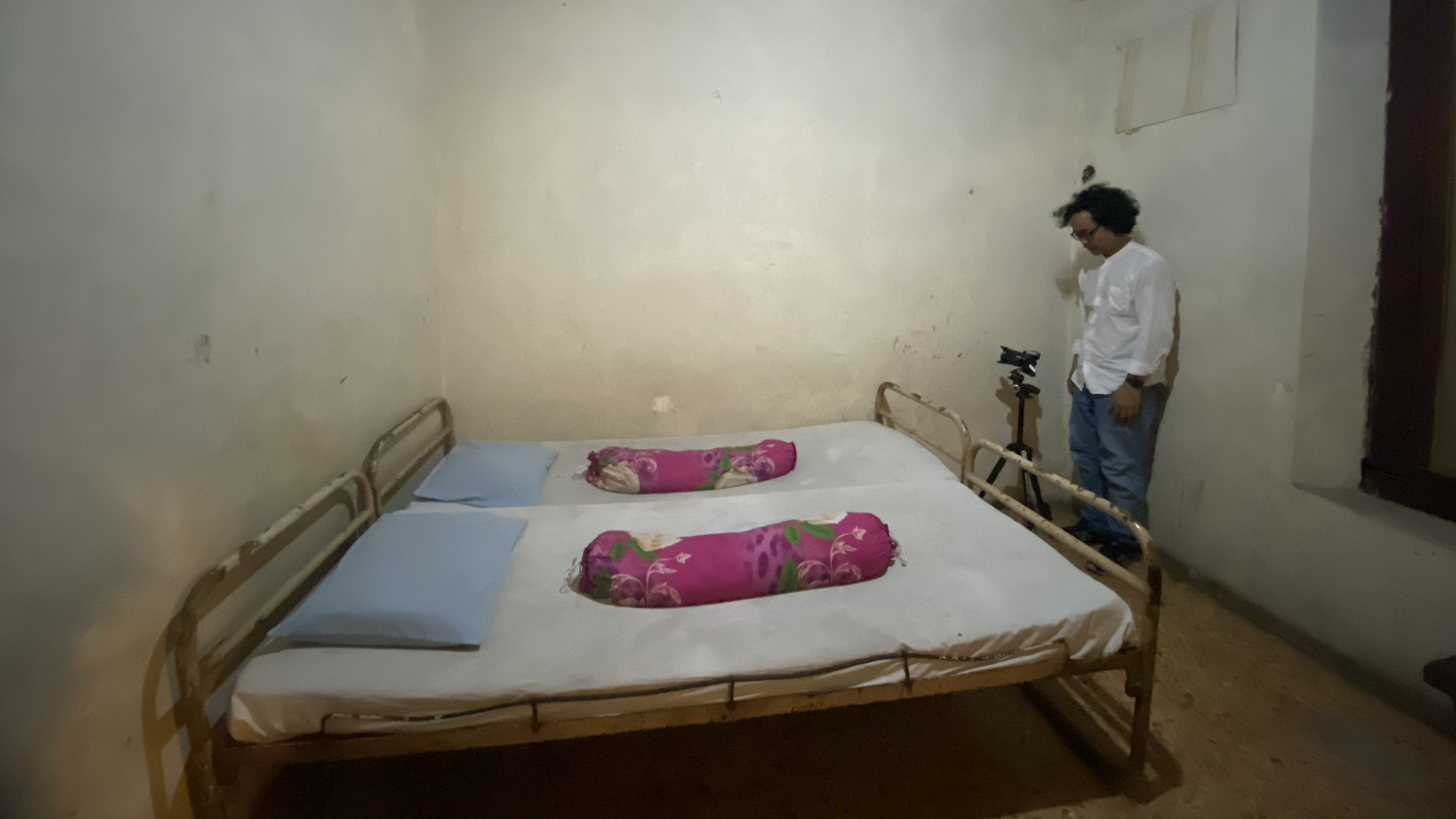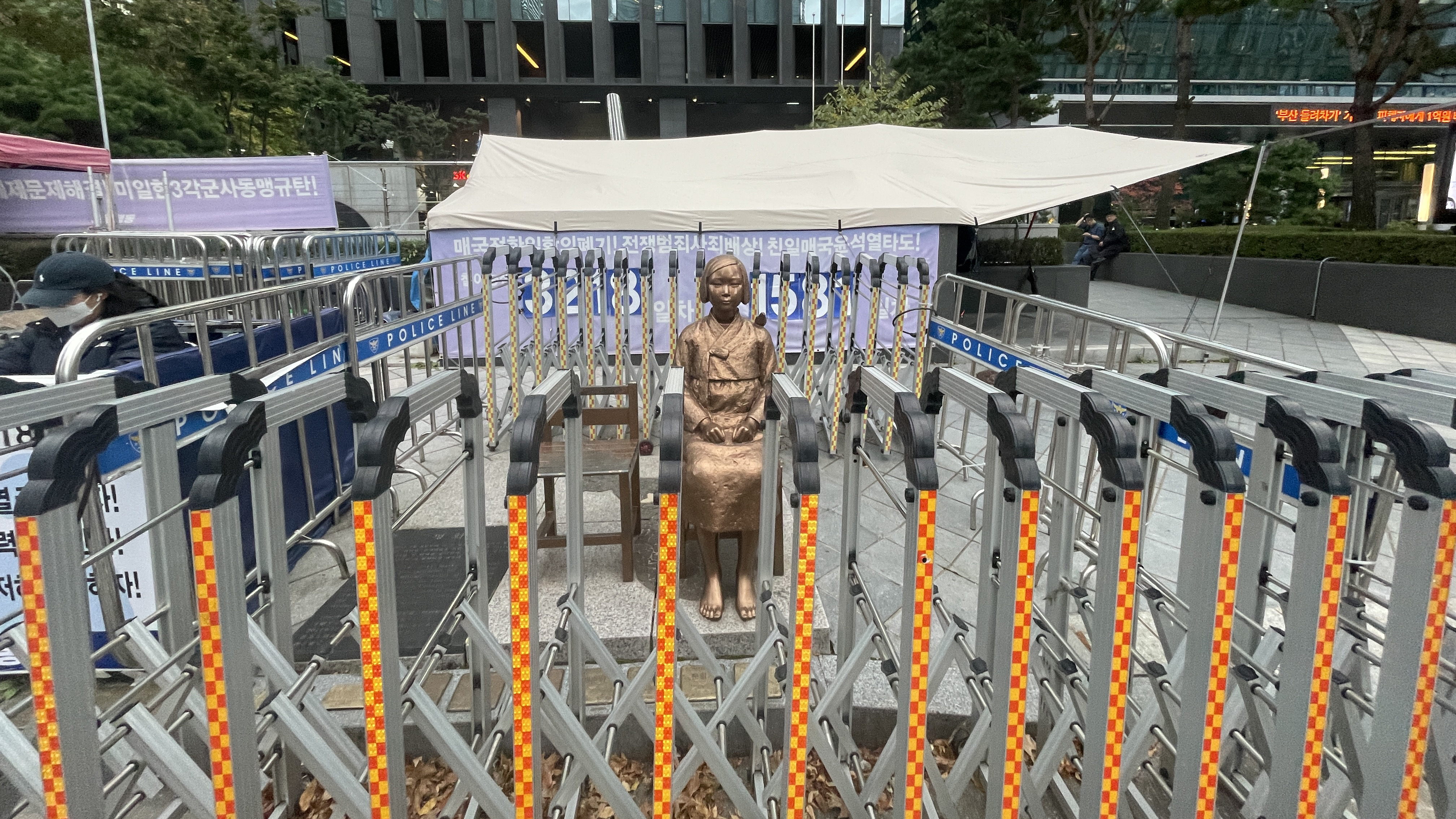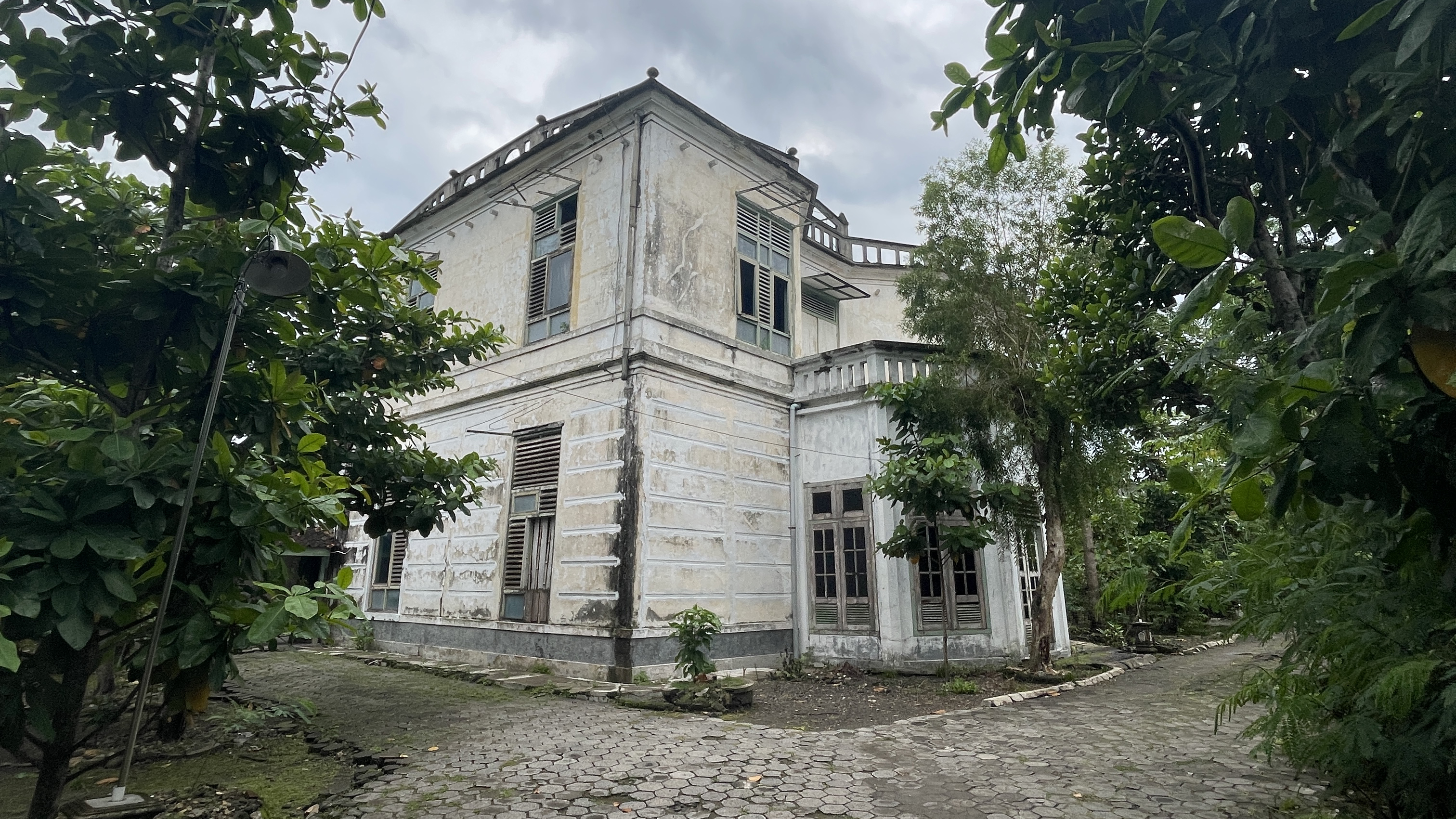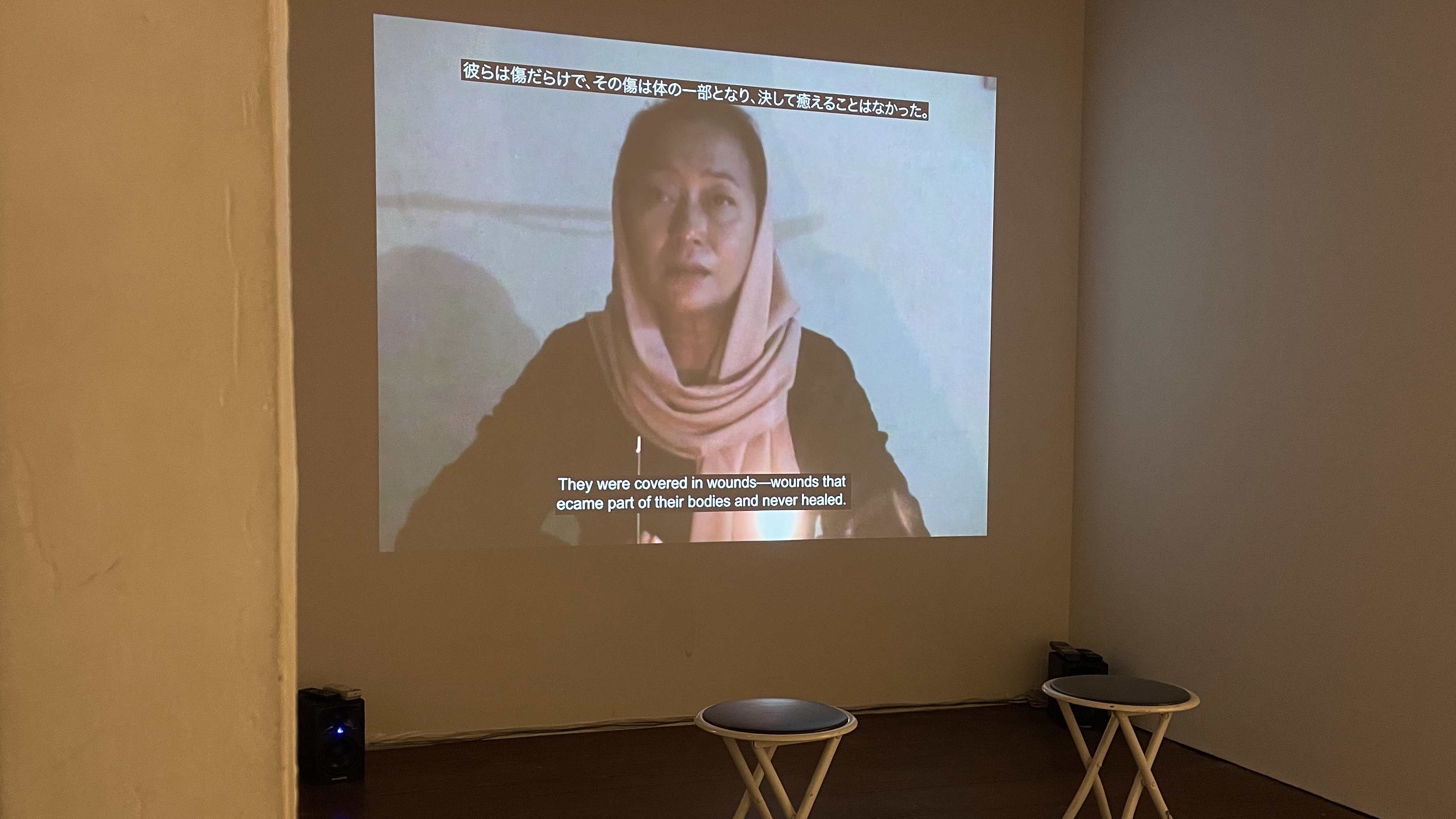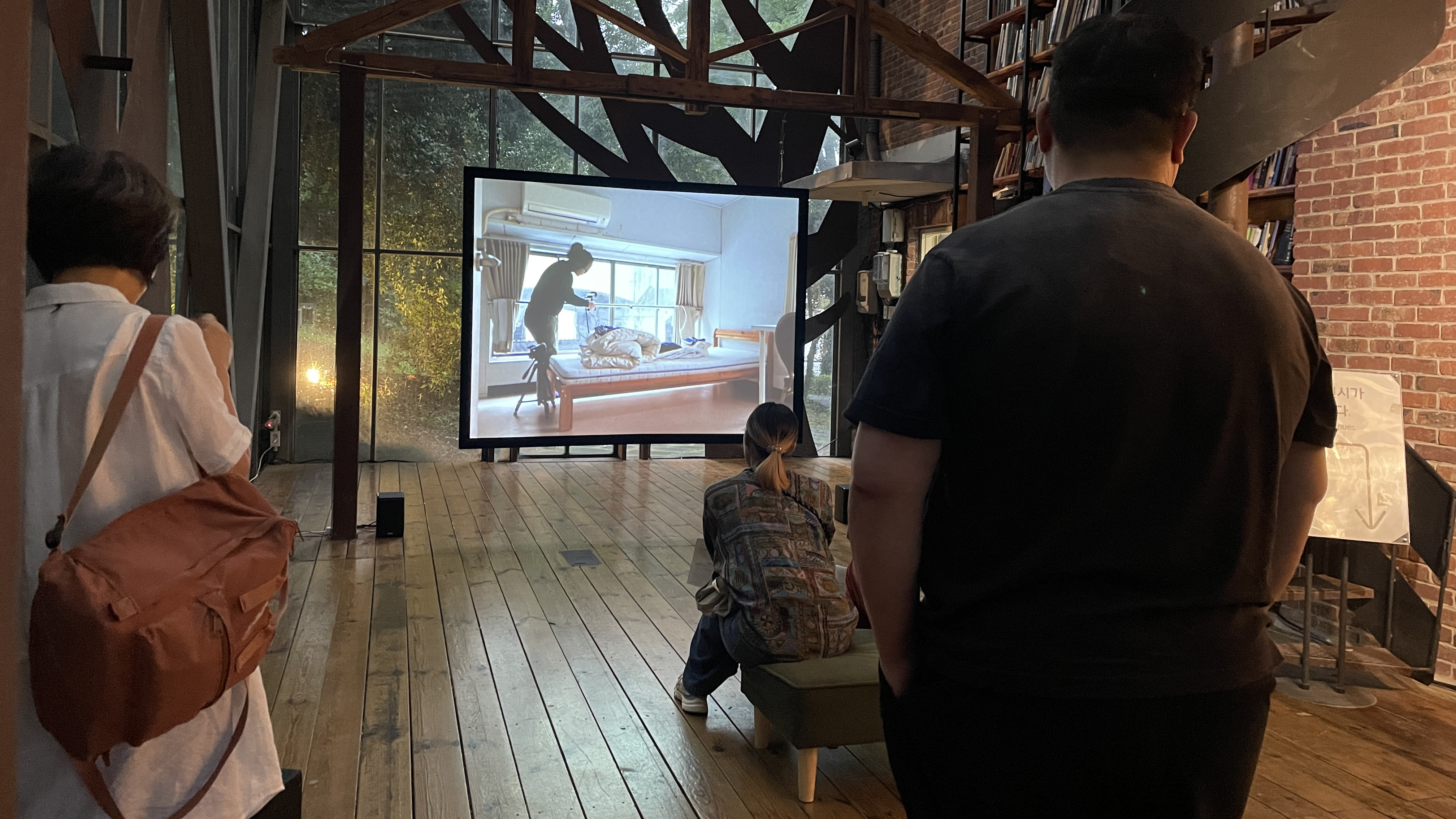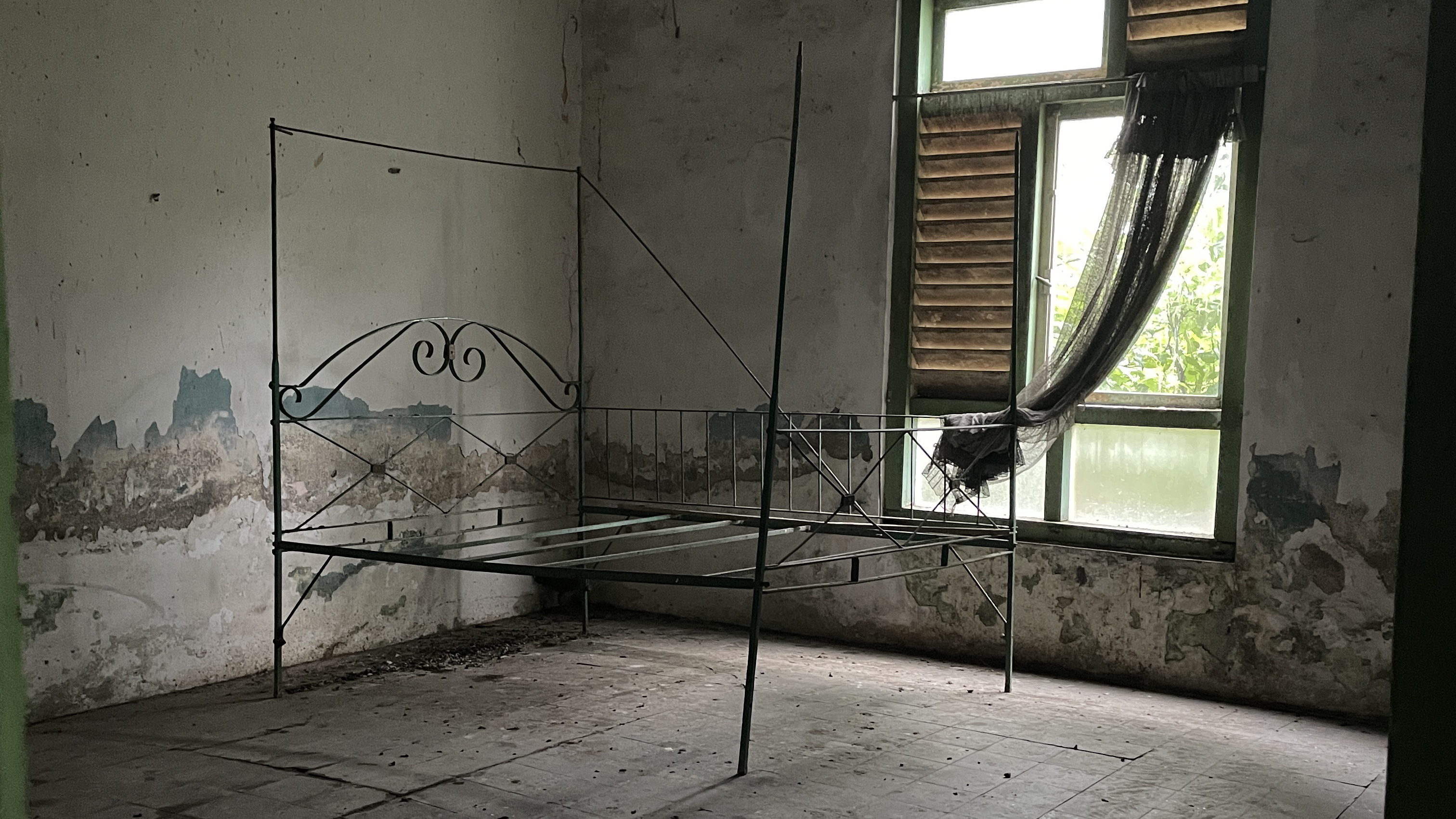
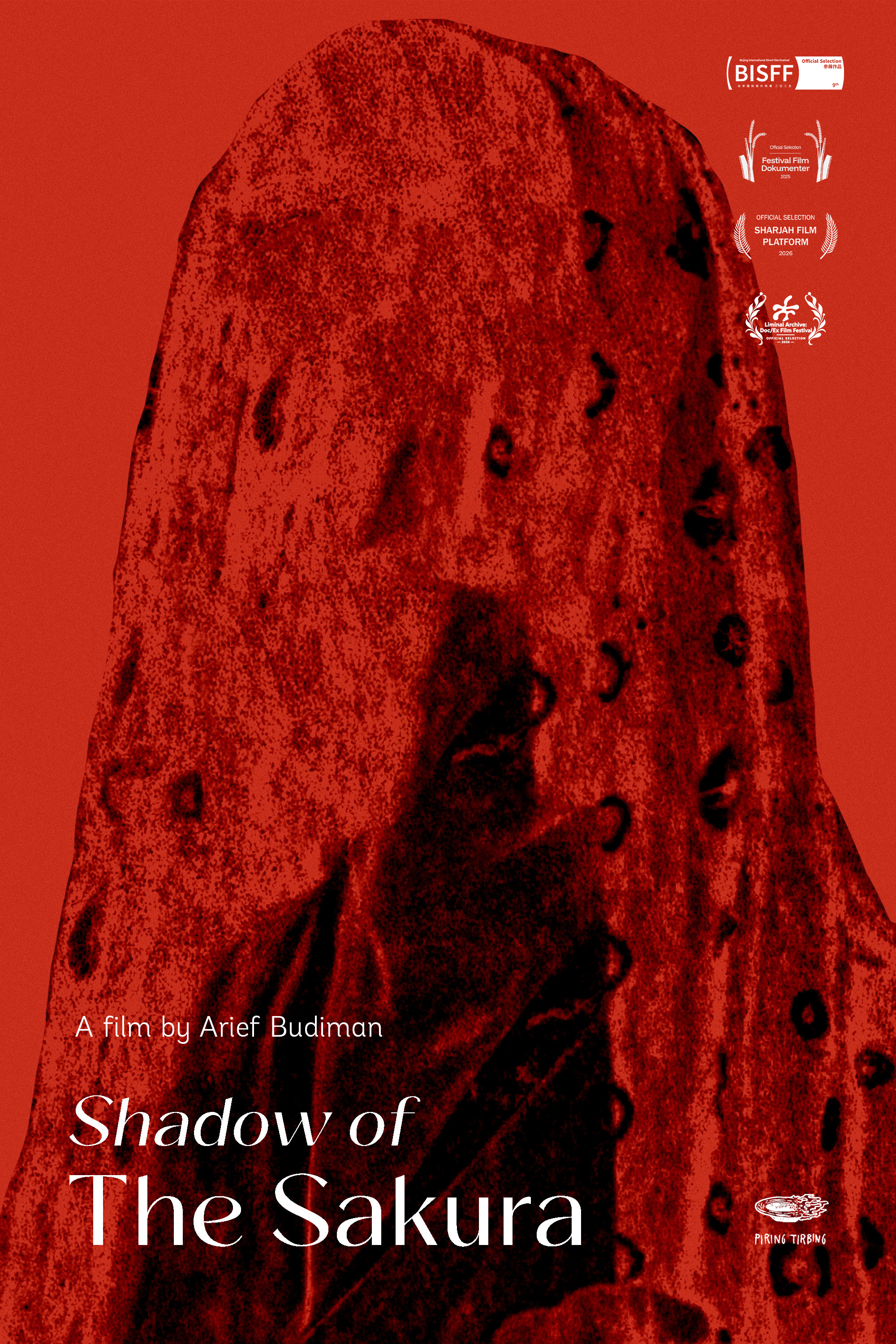
The three-year history of past violence that changed the fate of thousands of Indonesian women forever through the ianfu system seems to have never been fully resolved. Instead, the gap in knowledge of history to the current generation seems to be widening. Confronted with this horrifying past, Arief Budiman seeks to bridge this gap through artistic research during his art residency in Japan. Using the performativity approach of imaginary interviews with one ianfu, sites of historical violence and artificial intelligence, he then investigates the narratives revolving around society and the internet.
Shadow of The Sakura
Experimental / 28 min / 2025 / Indonesia, Japan
Beijing International Short Film Festival | Beijing | 2025
Art Center Ongoing | Tokyo | 2025
Festival Film Dokumenter | Yogyakarta | 2025
Horanggasy Creative Studio | Gwangju | 2025
Festival Film Seabad Pram | Jakarta | 2026 | Rumah Kaca Award
Sharjah Film Platform 9 | Sharjah | 2026
Liminal Archive Doc/Ex Film Festival | Tokyo | 2026
Shadow of The Sakura is a project that highlights the issue of ianfu (comfort women) during the Japanese military occupation of Indonesia from 1942 to 1945. The slogan “Japan, the light of Asia” or Ajia no Hikari Nippon proved to be hollow—reality shows that they dimmed the lives of hundreds of thousands of teenage girls across Asia through a system of sexual slavery. Today, nearly all of the survivors (ianfu) have passed away, leaving behind a dark shadow for future generations, with a legacy of stigma and collective memory dominated by political interests.
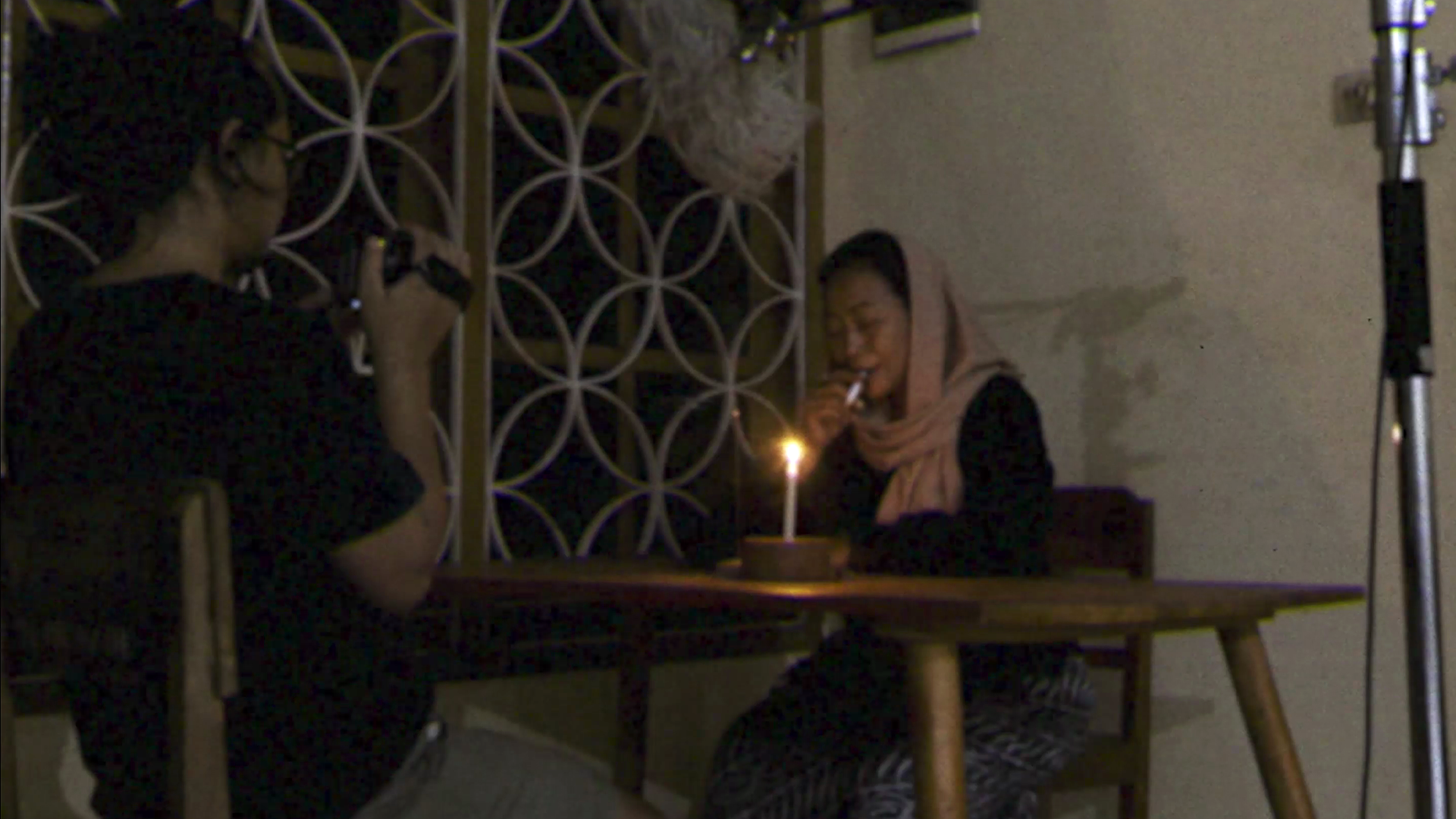
Instead of falling into pessimism due to the impossibility of meeting the survivors, I attempt to create a new narrative by utilizing technology, artificial intelligence, and an imagined conversation with the spirit of a survivor—constructed from the memories of ianfu found across the internet. Through this fictional approach, I seek to investigate the history of ianfu—a history I never fully knew—in a more performative manner.
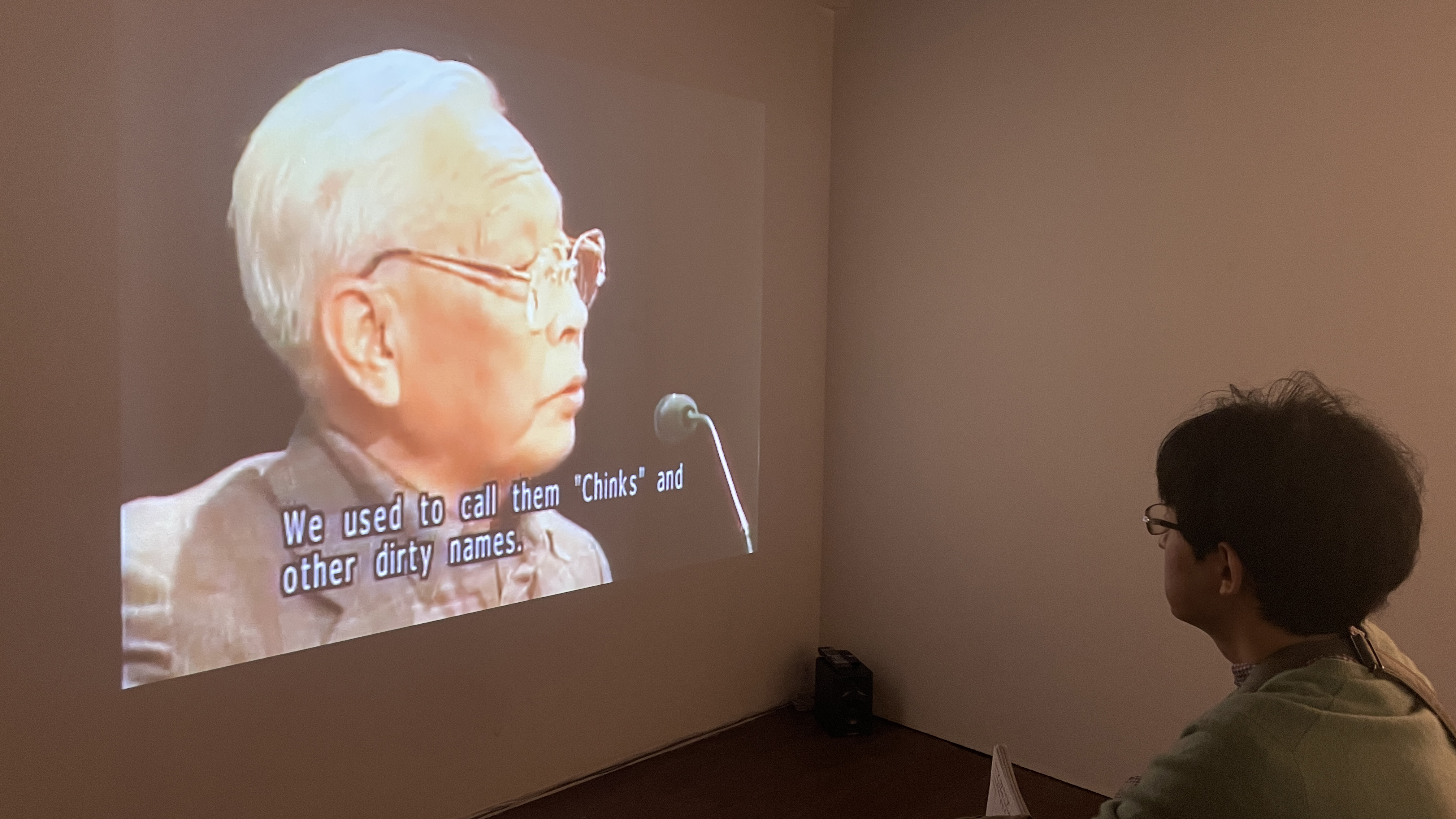
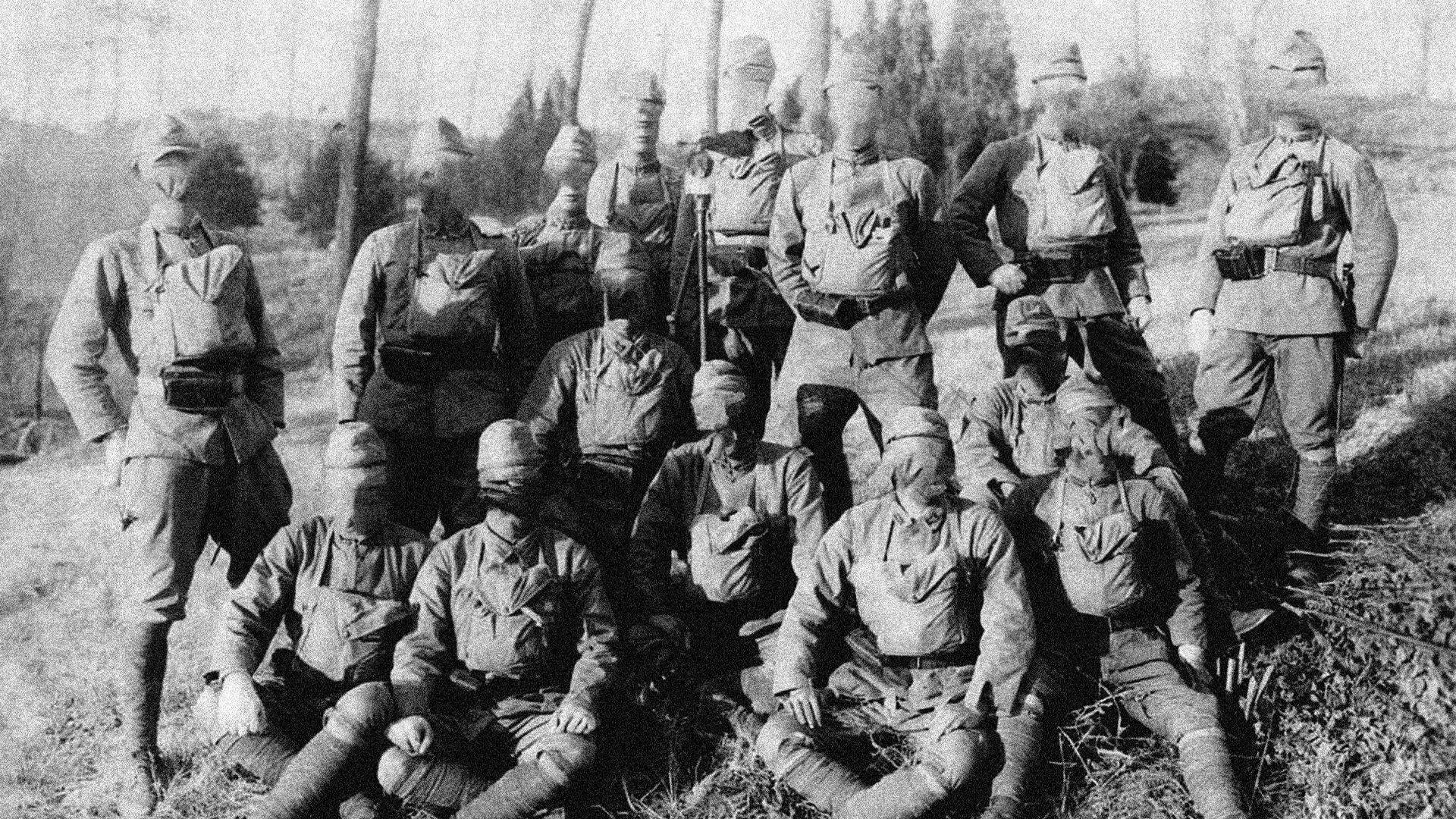
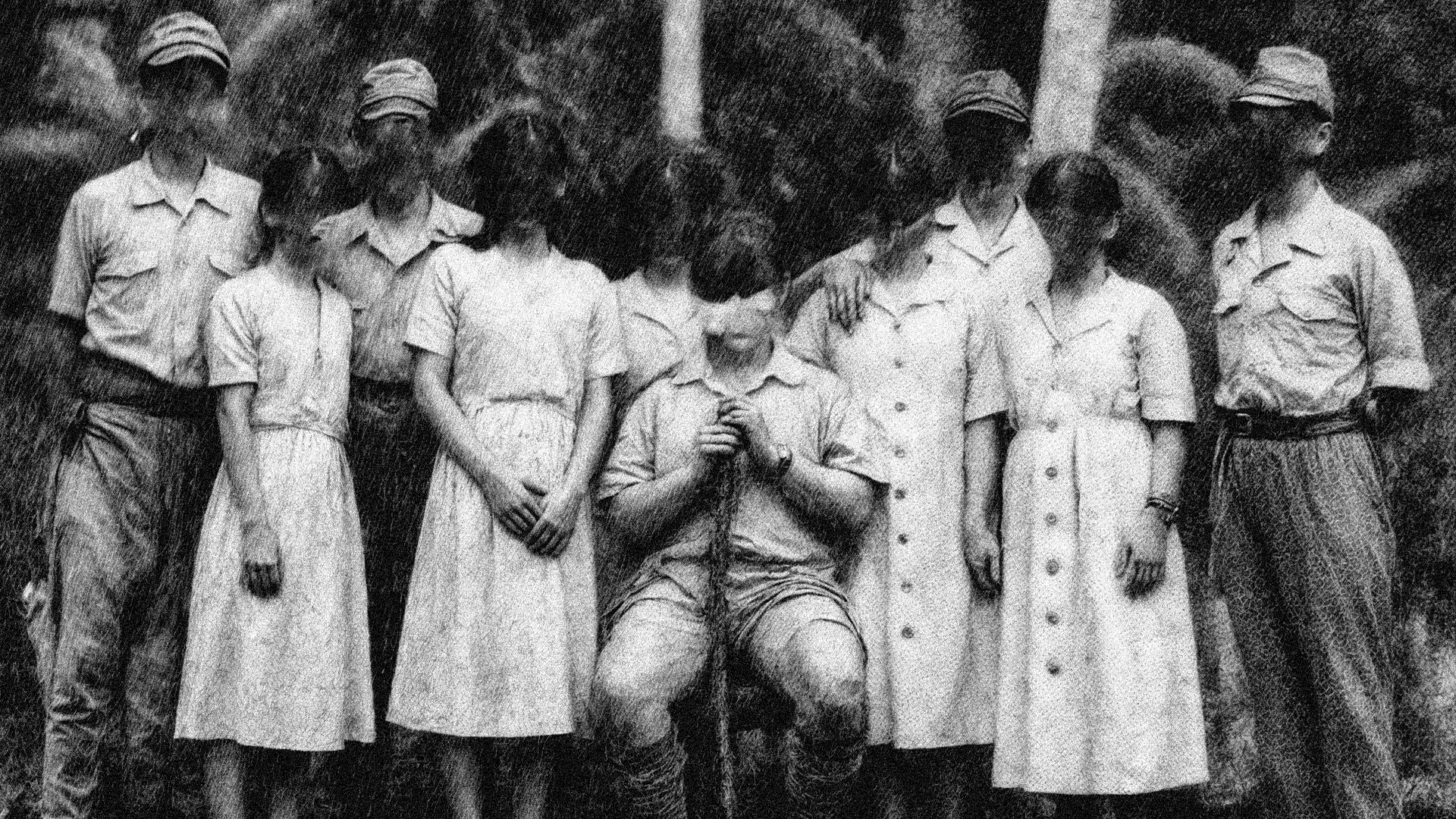
I use AI-generated images to fill the gaps in the archives, combining them with notes and key events from Ianfu’s testimonies. This effort can be seen as an attempt to create fabricated realities. This speculative historical narrative aims to politically manipulate dominant historical information while inviting the audience to revisit it more critically, especially the history of violence against women by Japan’s military army involving other countries in Asia, particularly Indonesia.